Introducing Jira Context, Reviews That Know Why the Code Was Written
Revix AI now finds the Jira ticket behind every pull request, reviews the code against what the ticket asked for, and updates the ticket when the PR merges.

A pull request review that only sees the diff is reviewing half the story. It knows what changed. It should know why.
Today we're shipping Jira Context. Revix AI finds the Jira ticket behind every pull request, reviews the code against what the ticket asked for, and updates the ticket when the PR merges.
It finds the ticket, then reads it
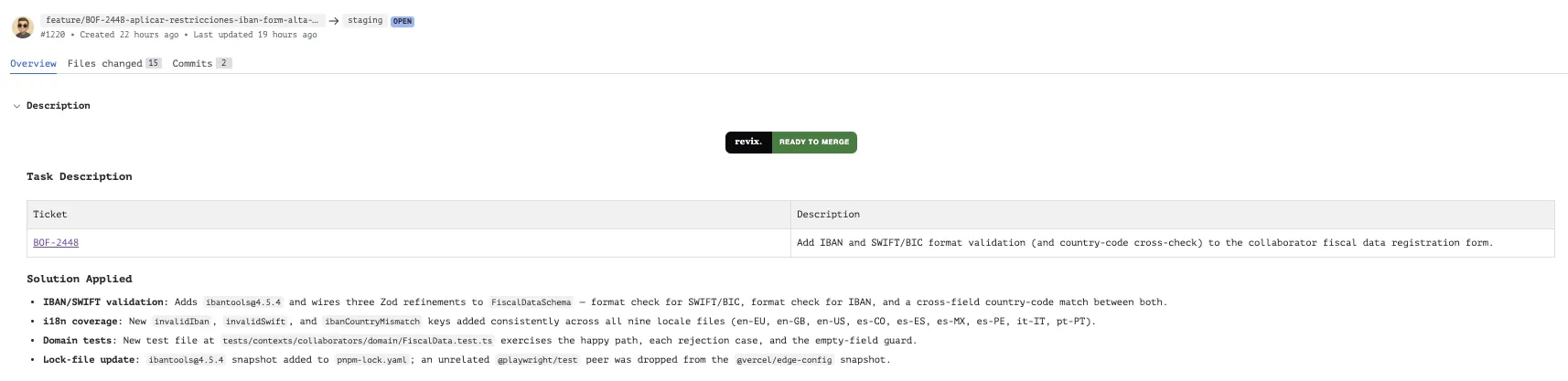
Revix scans the branch name, the PR title, and the PR body for issue keys, the ABC-123 shape every Jira project uses. Once a key resolves against your connected site, it pulls the summary, description, issue type, status, epic, assignee, and the discussion on the ticket.
That context goes into the review itself, alongside your repo's conventions and the rules Revix has learned from your codebase. So the reviewer can catch what static analysis never will: code that compiles, follows every convention, and implements four of the five things the ticket asked for. The fifth was in a ticket comment three weeks ago, from someone who's on holiday this week.
Every PR summary now opens with the ticket, linked, next to one sentence on what it asks for.
Then it moves it
Revix moves the ticket when it links one to a PR, and again when that PR merges. You pick which status each event maps to from the integration's settings, using your own status names, so it fits the board your team already runs.
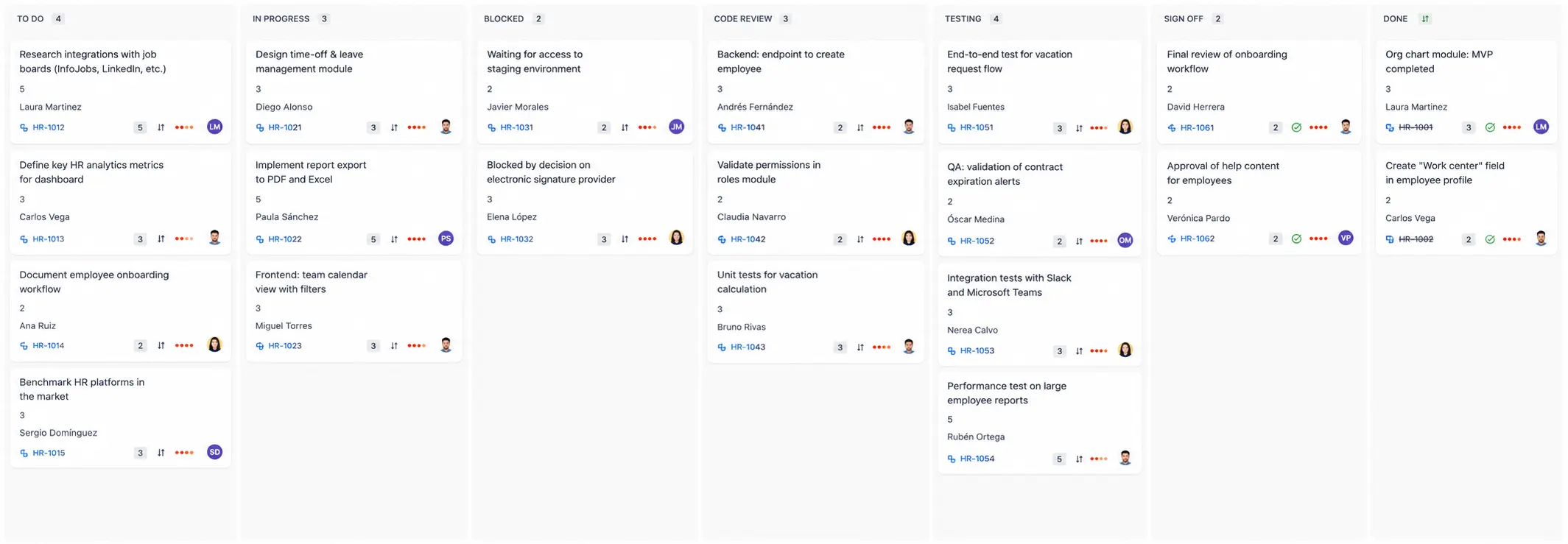
On merge it also comments on the ticket with what shipped and a link to the PR, so the people who live in Jira get the outcome where they're already looking.
None of it blocks the review. If Jira is slow or a transition isn't allowed from the current status, the review still runs and still posts.
Why it matters
We've written before about what a reviewer sees when it reads the whole repo instead of just the diff. This is the same argument pointed at a different gap.
Repo context answers "does this belong here." Ticket context answers "is this what we asked for." Both live outside the diff. The best reviewers on your team have always read both.
Jira integration is live today. Connect it from your workspace and see it on your next PR: userevix.com. Every team starts with a 14 day free trial, no card required.